Author: Cindy Schersching, PhD

  • Don’t Let the Tough Questions Go Unanswered

    Don’t Let the Tough Questions Go Unanswered

    By John Clarke, Guest Columnist

    Valuable Forums for Seniors and Their Families

    The Council on Successful Aging has organized a series of invaluable forums, featuring speakers who have generously shared their expertise on topics crucial to our community. These professionals address some of the most difficult questions—and most interesting issues—that face each of us, including, but not limited to:

    • How to protect ourselves from being scammed. Older individuals are frequent targets of unscrupulous individuals. We keep you current on the latest methods being used and how you can avoid falling for tricksters skilled in taking advantage of others.
    • What role our county Hospice House can play in providing care and comfort to you or your loved ones.
    • You have prepared for your retirement years throughout your working life. Are you current with how you want to distribute your estate? For you and your family’s peace of mind, we bring you up to date with the legal requirements of wills, trusts, power of attorney, etc.

    How to Access Upcoming and Past Forum Events

    We offer 4 to 6 forums a year at the Town Hall. All of this information is provided for free AND we serve refreshments. You can learn about the upcoming forums in a number of ways:

    If you do not use Facebook or receive the Shoreline or the In the Know activity listing, contact Cindy Schersching at [email protected] and ask to be added to our mailing list for updates or call 252-726-1986.

    In case you have missed any of the forums, each has been recorded and is now available for viewing on our YouTube channel.

    Recordings are also on our website in the video library.

    We look forward to seeing you in the audience!

  • When Plans Change: Alternative Living Situations for Seniors (Part 1)

    When Plans Change: Alternative Living Situations for Seniors (Part 1)

    One of the most difficult decisions we may need to make as we age—among the many that we have to make as we face the limitations of our life—is how to provide care for ourselves and our loved ones.

    How well we care for ourselves and others depends on our strengths. As we age, our ability to do this well may be challenged. While most prefer to stay in their own home for as long as they can, there may come a time when it’s no longer safe or comfortable to do so.

    You may need to find alternative living places for yourself and/or for those you are responsible for. Options you never considered before may be the ones we have to evaluate now.

    This article is an overview of choices and an evaluative guide to help you make the decision of a residency that best meets those in need. There are no verifiably ‘right answers,’ rather factors to consider when making your choices.

    Part I of this topic provides an overview of the types of facilities that operate; Part II (next month) provides a checklist of questions to ask as you sort through your options. I hope you find it useful.

    Understanding the Level of Care Required

    To begin, talk with your physician, nurse practitioner, or physician’s assistant; it is critical to understand the level of care required. This diagnosis and its anticipated progression will determine what to look for in a facility, how much the recommended care will cost, and how you will fund your choice.

    Be aware that health conditions will likely change over time and the solution that is viable today may need to change with it.

    Successful living and care arrangements can be found within each option. Knowing how these options differ and the cost implications of each can help you make a good decision.

    Comparing Aging Care Facility Provider Options

    Here’s what you can expect from assisted living vs. nursing home vs. memory care facilities.

    Assisted Living

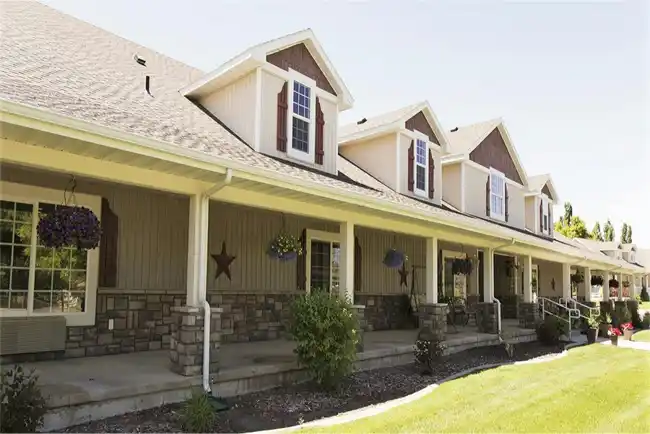
    Assisted living facilities provide a supportive environment with a focus on independence, offering less intensive care compared to nursing homes and memory care.

    • Services Offered: Preparing meals, recreational activities, transportation, help with medication, and assistance with activities of daily living.
    • Level of Care: Does not offer round-the-clock care.
    • Rules and Regulations: Governed by individual states; laws vary by location. There are no comprehensive federal regulations.
    • Living Arrangements: Shared and private rooms are available, with facilities ranging in size from small with as few as five beds to large with several hundred beds. Common areas provide opportunities for socialization, and safety/security measures are emphasized.

    Nursing Home

    Nursing homes offer comprehensive medical and personal care, providing more extensive support and 24-hour nursing care than assisted living or memory care.

    • Services Offered: Continuous medical care, rehabilitation services (including physical, occupational, and speech therapy), medication management, meals, social and recreational activities, assistance with daily living activities, and palliative and hospice care.
    • Level of Care: Provides 24-hour nursing care, suitable for both short-term and long-term care.
    • Rules and Regulations: Regulated by the federal government with consistent laws across states. Nursing homes are certified to provide services to people with Medicare and Medicaid. They are highly regulated in terms of licensing, certification, inspections, staffing, resident rights, and health and safety standards.
    • Living Arrangements: Offers shared and private rooms with common areas. Emphasis is placed on safety and security measures.

    Memory Care

    Memory care facilities specialize in providing structured, safe environments tailored to individuals with memory impairments, offering more specialized care than assisted living and more focused supervision than nursing homes.

    • Services Offered: Assistance with bathing, dressing, eating, and other activities. Care plans are individualized to meet the specific cognitive and physical needs of each resident.
    • Level of Care: Continuous supervision and security are provided, with staff specially trained to handle the unique challenges of dementia and Alzheimer’s.
    • Rules and Regulations: Memory care facilities are generally licensed by state health departments or aging services departments, with additional federal laws on safety and well being. States have specific licensing requirements, including staff qualifications, training, facility standards, and care protocols.
    • Living Arrangements: Shared and private rooms with common areas designed to minimize confusion. Emphasis is placed on safety and security measures.

    Cost Considerations

    The choice of a type of facility cannot be made primarily on cost, and any report of average costs can be misleading. Though there is a good deal of overlap of services, each type of facility (assisted living, nursing home, memory care) reflects a different model of care and offers different levels of care.

    That said, there are many additional factors that influence costs, including, but not limited to:

    • The part of the country the individual lives in.
    • Private vs. shared room accommodations.
    • Special needs that must be met.
    • If the services are governed by state regulations, federal regulations, or some combination of both.

    Typically, assisted living costs less because seniors receive less care and less support is required. Nursing homes typically cost more due to the constant skilled care provided. Memory care options tend to fall in the middle of this price continuum.

    Generally, within each type of facility:

    • Level I care refers to basic care.
    • Level II is enhanced care/longer-term care, which can add up to $2K per month.
    • Level III care is specialized care and can add an additional $2–$3K per month.

    Quality of Care

    To identify the quality of care provided, you must visit the facility—not just once, but a couple of times across days and times.

    While a paper view of options can help initiate a review of your choices, nothing can communicate the quality of care to be expected better than a visit and conversations with the staff you would be typically interacting with and the individuals that reside there.

    Locating Resources

    The task is challenging. The approaches listed below can help identify available options in this area. That said, there are relatively few facilities in our area. I suggest that you network through as many as possible and isolate the ones that come closest to filling your need. Depending on your time frame, you may need to search beyond this geographic area for an appropriate choice.

    Local and Governmental Agencies

    • The Pine Knoll Shores Council on Successful Aging maintains a list of options for the Morehead City area. We can be reached through our website: PKS Council on Aging, by email [email protected], and phone 252-726-1986.
    • In Carteret County, the Leon Mann, Jr. Enrichment Center maintains a source book of agencies in the county. The Center is located at 3820 Galantis Dr., Morehead City, NC 28557, phone: 252-247-2626. They are open Monday through Friday from 8 am to 5 pm.
    • The Eastern Carolina Council (ECC) is a multi-county, local government, planning, and development organization ([email protected], phone: 252-638-3185). The ECC (specifically the ECC’s Area Agency on Aging Department) is a conduit between local governments in our region and state/federal partners.

    Online Clearinghouses

    Clearinghouses for patients and families can be found online. The value in using the clearinghouses is that they try to maintain the most current lists and easily allow comparisons across options.

    Here are some tips if you use this approach:

    • Searching Online: If you are searching for local assisted living facilities, enter prompts in your browser for assisted living facilities in the Carteret County area to reach these sites. If memory care options are not listed with the assisted living contacts, you can confirm the availability of this type of care when you call. As assisted living options are governed by each state, you must enter your zip code and answer several questions to obtain the list.
    • Clearinghouses: Be aware that many clearinghouses for assisted living options are compensated by the referrals they generate. Providing them with personal information is a catch-22: your personal needs guide the choice of options but also can invite a variety of follow-up phone calls.
    • Nursing Home Search: If you’re exploring nursing homes, Medicare offers a searchable website called Nursing Home Compare, where you can find and analyze nursing home options in your area.
    • Review Local Options: If you are familiar with the names of local options across resident types by name/reputation, a thorough review of their websites should provide enough information to generate a list of questions that can be addressed with a phone call and in-person visit.

    Final Considerations

    If your search leads you to an acceptable choice, but your need is not immediate, consider putting your name on a waiting list as options are limited.

    The importance of visiting each facility you are considering cannot be overstated. Part II provides a checklist of questions and factors to consider as you sort through your options. These are questions you should ask yourself and your family, as well as the professionals and residents in each facility. I hope you find it useful.

  • Steve Odom of Munden Funeral Home

    Steve Odom of Munden Funeral Home

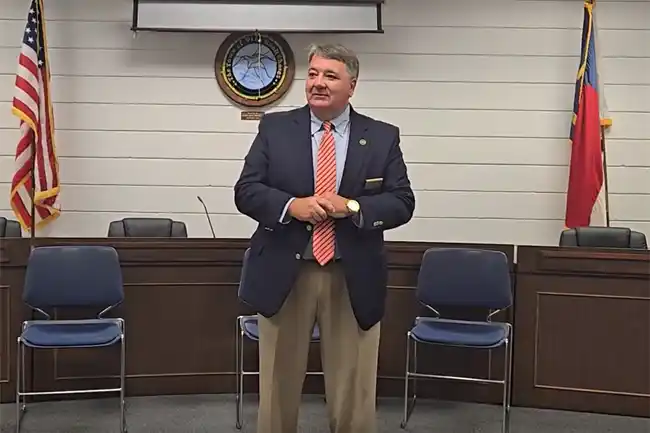
    Steve Odom of Munden Funeral Home presented to the PKS Council on Aging.

    Presentation was on July 25, 2024 at 10:30am to 12:30pm in the Betty Carr Board Room at the Pine Knoll Shores Town Hall at 100 Municipal Cir, Pine Knoll Shores, North Carolina.

  • Andrew Foster of Harvell & Collins, P.A. on Estate Planning

    Andrew Foster of Harvell & Collins, P.A. on Estate Planning

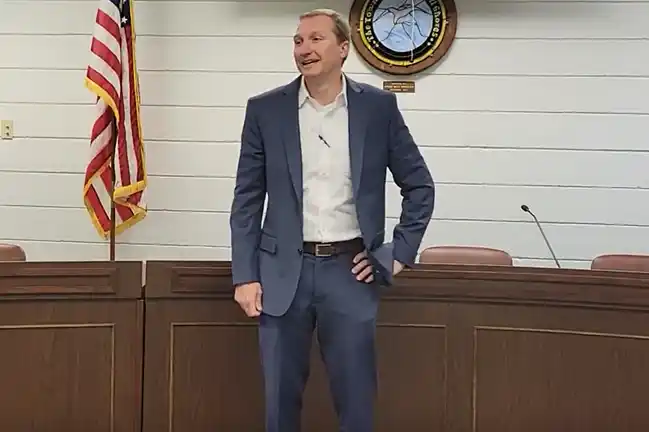
    Andrew Foster of Harvell & Collins, P.A. presented to the PKS Council on Aging about Estate Planning.

    Presentation was on April 25, 2024 at 10:30am to 12:30pm in the Betty Carr Board Room at the Pine Knoll Shores Town Hall at 100 Municipal Cir, Pine Knoll Shores, North Carolina.


  • Estate Planning Checklist: What You Need to Know

    Estate Planning Checklist: What You Need to Know

    By Ann Bures, Guest Columnist

    I believe it is fair to say that many of us have experienced the loss of close relatives and friends who, for perhaps many reasons, never got around to making a will.

    The subsequent fallout from this lack of planning may have created complications for those remaining relatives and friends who hadn’t a clue as to the person’s final wishes.

    On Thursday, April 25, our Council hosted a forum at PKS Town Hall to provide us with an overview of the estate planning process.

    Guiding us through the questions to be asked and decisions to be made in creating a detailed plan, we were pleased to welcome Andrew Foster, Attorney from the Law Firm of Harvell and Collins, P.A.

    Essential Estate Planning Documents

    Mr. Foster began by listing the various documents necessary for a properly executed estate plan. These documents, with brief definitions, include:

    • Last Will & Testament (LW&T): This is your declaration as to where your assets will go when you die. The LW&T identifies an Executor, a trusted person to whom you confer a fiduciary responsibility to carry out your decisions.
    • Durable General Power of Attorney: This establishes an Agent, a person you designate to act for you in managing your financial and other personal affairs in the event you become unable to do so.
    • Health Care Power of Attorney: This establishes a Health Care Agent, a person you designate to make health care decisions for you in the event you become unable to do so.
    • Health Insurance Portability and Accountability Act (HIPAA) Release: This item designates a person or persons who have your permission to access your health care records.
    • Declaration of Advanced Directives for a Natural Death (Living Will): Perhaps one of the most thought-provoking of these documents. This provides your health care providers with directions about prolonging your life in the event you experience a terminal and incurable condition, a persistent vegetative state, or advanced dementia.

    As these are considered legal documents, it is prudent to seek advice from legal counsel. Establishing a relationship with an attorney who specializes in the practice of estate planning can serve as an invaluable resource in guiding your decisions.

    Preparing an Estate Planning Checklist

    Preparing an Estate Planning Checklist is a good place to start your conversation with counsel, and should at least include:

    • Inventory of Assets: Including home and land, cash, stocks, bonds, etc., with type of ownership (individual or joint).
    • Inventory of Insurance Policies and Retirement Accounts: Include life insurance policies, IRAs, annuities held, and beneficiary designation forms filed.
    • Listing of Debts and Liabilities: This includes a detailed record of all outstanding financial obligations, such as loans, mortgages, credit card balances, and other liabilities.
    • List of Heirs: Such as your spouse, children, parents, other relatives, friends, charitable organizations.
    • Name of Executor: The trusted person who will carry out your decisions responsibly.
    • Designation of Roles: The person who will serve as Executor, Trustee, and Guardian if there are minor children.

    While this list is a very objective, matter-of-fact approach to planning for the future disposition of your possessions, it is most important to communicate this plan to those who will be your heirs, or not. Conversations concerning your wishes are awkward and can be very emotional, but they are crucial to a well-executed estate distribution.

    Learning from Experience

    Mr. Foster provided examples of successful estate plans and some that weren’t so successful.

    His presentation was videotaped and can be found on our pkscouncilonsuccessfulaging.com/ website. I encourage you to view it. The information he shared can help in guiding your declarations.

    Conclusion

    Your Pine Knoll Shores Council on Successful Aging will continue to identify topics and resources to connect you, our residents, with solutions to aging gracefully in place. Please share your experiences and ideas with us.

  • PKS Council on Aging Meeting Minutes – July 2024

    PKS Council on Aging Meeting Minutes – July 2024

    Staying physically active is critical to ‘successful aging’

    We have not yet received approval to bring Leon Mann’s weekly exercise classes to PKS.

    Mayor Brodman agreed to follow up with Chief Ryan to confirm the status of the request of an ‘informed consent’ document and if there is anything we can do to make it a reality.

    We reminded ourselves of the variety of alternative area activities available to all including, but not limited to:

    • Morehead City Marlins Home Games at Big Rock Stadium. Visit mhcmarlins.com for a full schedule and to buy tickets, or call 252-269-9767 for more information. Do we want to organize a game evening for the group?
    • Cornhole action at 34º North of Cedar Point every Tuesday, 6-10 pm, at 1106 Cedar Point Boulevard.
    • Visit Fort Macon. In addition to cannon firings on announced days, Park Rangers organize hikes explaining the flora and fauna found at the park. Check the website for specifics.
    • Check the PKS Aquarium website for outdoor adventures including kayaking events.
    • The Leon Mann Center has a very nice exercise room free and open to all.
    • St. Francis by the Sea also has an exercise room; check for the hours. Robin Smith will check with St. Francis by the Sea regarding guided labyrinth experiences.

    Raise Awareness

    Efforts to raise awareness of the Council within the community continue:

    • Contact with local churches still need development. Kathy Driver volunteered to speak to the Bogue Banks Baptist church.
    • I will contact Parks and Rec.
    • The Library and Spoondrift have been given brochures. I will follow up with both.
    • Ike Pipkin will connect with the Board of Commissioners.

    Community Forums

    Our next Forum will be on funeral plans – what to be prepared for. John Clarke and Mike Dilauro are organizing this August’s talk.

    John/Mike: We must advertise 2 to 4 weeks prior to the forum to ensure larger audiences.

    Consider posting a ‘Save the Date’ reminder now in addition to our Facebook and the Shoreline (depending on timing).

    Advertising in the Town’s Stay in the Know should widen our reach.

    What else could we be doing to increase awareness of the Council?

    New Business

    Gathering Places

    John Macheca will update us on the development of ‘Gathering Places.’ These include the Crystal Coast Oceanfront Resort and Trinity Center.

    PKS Strategic Plan

    John Brodman and Michelle Phillips will update us on the PKS Strategic Plan.

    The Plan has been in development for some time and is being disseminated to Town Groups for comment.

    It is a very thoughtful document that describes the considerations the group has been researching and learning from focused discussions. In preparation for their presentation, I recommend you take a look at the Plan and the Appendices that appear on the Town of PKS website.

    Business Cards

    Our business cards are ready. I’ll bring them to our next meeting.

    If anyone would like them before then, please let me know.

    Aging in the News

    Lastly, the group was asked to spend a few moments reflecting on the ongoing dialogue currently on every news channel about aging:

    • Pay attention to the language used to describe aging individuals.
    • The expectations we have of those who are 70+.
    • How are ‘acceptable behaviors,’ and ‘problematic behaviors’ described, and how do these behaviors impact the perceptions of seniors, etc.

    Should we change the dialogue? Can we change it? What should we be focused on? Please share your thoughts.

    Agenda

    Ongoing Business

    Objective: Bringing exercise classes to PKS from Leon Mann.

    Activities to transport to PKS from Leon Mann under discussion include but are not limited to:

    • Tai chi for arthritis and fall prevention.
    • Other fitness classes: Arthritis foundation exercise program.
    • Floor yoga.
    • Chair yoga.

    Location for classes: Town Hall – Betty Carr room, the Library’s meeting room, the 2nd floor of the Safety Building.

    • Options depend on size of class, ease of reserving the area, approvals.
    • Is transportation to Leon Mann once a week possible/necessary?
    • What’s the hold up? Attorney’s sign off on a consent form.

    Objective: Grow our awareness/build a broader awareness base.

    Please share your experience targeting local churches with information about the Council. Please insert an announcement in your church bulletin, speak to your minister/pastor/priest/rabbi letting him know who we are. Take brochures and talking points. Sign up. Let me know which churches you will be speaking to.

    • John Clarke and John Macheca signed up for St. Francis in June.
    • We need to broaden this list.

    PKS meetings:

    • Strategic Planning – Bill Douglass for June.
    • Appearance Committee – Ann Bures in May.
    • Planning Board – Michelle Powers in May.
    • Board of Commissioners – Ike Pipkin.

    We still need someone to speak with Parks and Recreation.

    Other Business

    When is our next forum? What is the topic? Who will be speaking?

    What else could we be doing to increase awareness of the Council?

    Business cards will be available at our next meeting.

  • It Does Take a Village: Navigating Dementia Care

    It Does Take a Village: Navigating Dementia Care

    As we age, many of our conversations turn to reports of our physical well-being as our ailments or disabilities can seriously disrupt our ability to function on our own. The inability to take care of ourselves impacts those around us, which is particularly challenging in the event of a dementia diagnosis.

    When a loved one presents with dementia, you both need to prepare yourselves for the journey forward as best as you can. You will be faced with challenges you may not have imagined, and many decisions will be yours alone.

    As every situation is unique, there is no one answer or set of solutions that will work for everyone. Hopefully, these thoughts can at least begin the discussion.

    Prepare yourself

    If you haven’t done so already, a first step in the process of identifying your options is a frank discussion with a trusted family physician. If he/she confirms the diagnosis of Alzheimer’s, Parkinson’s or dementia, you will need to:

    • Understand the basis of the diagnosis,
    • Know the stage of dementia you are dealing with,
    • Have an idea how rapidly the disease is progressing,
    • Have a complete grasp of what medications are being given, and
    • Know what you can expect in the short and long term.

    A medical diagnosis of dementia is valuable when speaking to support agencies.

    You also need to be honest with yourself and other family members, especially if you are committed to being an at-home caregiver. Currently, there is no cure for dementia.

    Questions to ask a provider

    Many family members choose to take on caregiver responsibilities, particularly in the early stages of the development of symptoms.

    As the disease progresses, however, continue to ask yourself these questions:

    • Do you have the skills and tools to take care of someone in this stage of dementia?
    • What, if any, changes do you need to make your home safe and comfortable (such as space for a hospital bed or grab bars in the bathroom/shower)?
    • As the disease progresses, can you keep up with the demands of care—physically, emotionally, mentally and financially? No two days will be alike. A good day today does not mean it will be a good day tomorrow.
    • Do you have friends/family you can rely on to help?
    • Is there someone who calls regularly to check on you?
    • Are you prepared to make different decisions if in-home care becomes more difficult to deliver?

    Keep your knowledge of resources current. It is o.k. to change your mind as you gain new information and updated experiences. Keep a good record (with dates) of developments to enable you to look back and see a realistic picture of how things are progressing. Keep yourself healthy. (I am reminded of the pilot’s directive to place their oxygen mask on first and then help those nearby.)

    Local resources that can help

    Some have asked for a list of services that can guide a dementia caregiver. I agreed to put one together and summarized what I have found available in Carteret and Craven counties.

    You may not be surprised to know that these types of resources, especially in Carteret County, are limited. Many did not survive the widespread shut down of person-to-person services during COVID and are just now trying to restart/restaff.

    Even though I contacted many of these agencies before listing them to confirm the phone number and that the receptionist could answer some basic questions, I strongly suggest that you do the same. You know your situation in far greater detail, and you are in the best position to determine what will work best for you.

    List of resources

    The list of resources appears on our website at pkscouncilonsuccessfulaging.com/. Please note that the Council on Successful Aging does not endorse any of the providers listed.

    The information included is thought to be reliable, but is not guaranteed to be accurate. It is compiled from provider descriptions of their own services as well as other public data sources and is subject to change without notice. It is organized by type of service; many services are not mutually exclusive.

    I strongly encourage you to explore these services, talk to participants and evaluate the benefit to you and those for whom you are caring.

    The list covers these content areas:

    • Caregiver discussion groups (in person as well as virtual)
    • Patient support groups, including Memory Cafes
    • In-home nonmedical patient care
    • In-home medical patient care
    • Local physician specialists
    • A review of tech tools that can help to preserve a quality of life

    The initial list of resources covers nine pages, and the landscape of services for those with dementia and their caregivers is not easy to navigate. If you do need assistance, consider engaging a patient advocate to help you sort through the options, especially as the disease progresses.

    The most recent forum offered by the Council on Successful Aging showcased the work of the patient advocate. See “Who Will Care for You?” by Ann Bures on our website or in the April 2024 issue of The Shoreline.

    Author’s notes

    This list of resources was compiled to guide you in your search for information and is not intended to be exhaustive. No church groups were included in these selections, though it may be worthwhile to ask if your church offers these types of resources.

    Further, there are no Veterans Administration-specific services listed here. Home Helpers in Morehead City (listed under In Home Nonmedical Patient Care) has a current, strong relationship with the VA and can help you explore these benefits. Call 252-622-4690 for details.

    Be aware that there are numerous online articles on a wide variety of topics related to caregiving and understanding the progression of dementia. One place to start is with carterethealth.org. Just search for the condition you want to learn about.

    Alternatively, an internet search for a specific organization (Dementia Alliance of NC, Alzheimer’s Association, etc.) or for a specific topic (dementia caregiver support in NC, etc.) will yield information that may be useful.

  • PKS Council on Aging Meeting Minutes – May 2024

    PKS Council on Aging Meeting Minutes – May 2024

    Follow up from our tour of the Leon Mann Center

    All were impressed and surprised at the number of activities, the facilities, and the energy of the Leon Mann Center.

    Based on the positive experience, I met with Center Director Keisha Williams and Fitness Director Kaylee Wolf about bringing exercise activities to Pine Knoll Shores on a weekly basis.

    A four-step plan was outlined for getting individuals to the Leon Mann Center on May 29 for the Health and Fitness Day to experience the type of class that could ‘travel’ to PKS.

    Unfortunately, we didn’t get clearance from the Town to pursue this option so we didn’t broadly advertise it.

    Council members interested in attending on their own were emailed reminders of the Health and Fitness Day and, hopefully, several attended.

    I remain optimistic this initiative will ultimately be successful. I’ll keep you posted.

    To grow our awareness/build a broader awareness base, all were asked to reach out to their local church and tell them about us.

    This can be done by placing an announcement in your church bulletins and/or speaking to your minister/pastor/priest/rabbi letting him know who we are.

    Our brochures and talking points were distributed to all. All were asked to put their name, church and contact month on a sign-up sheet.

    John Clarke and John Macheca both signed up for St. Francis. Thank you!

    I would love to see this list expanded.

    Awareness

    To grow our awareness/build a broader awareness base, all were asked to reach out to each regularly scheduled town meeting group: Parks and Recreation Meeting, Strategic Planning Committee, Appearance Commission, and Planning Board.

    Meeting schedules, times and locations are below. All were asked to put their name and contact month on a sign-up sheet.

    • One-two individuals should be at Town Hall/Safety Building at least 15-20 minutes before each meeting to greet participants and local citizens, hand out a COA brochure, ask what they would like us to focus on in the next 9 to 12 months, and invite to a meeting. OK to leave once the meeting gets started.
    • Each Council person should have brochures and talking points.
    • Report what you learned at the next COA meeting.

    Thanks to ALL who signed up!

    • Bill Douglas – Strategic Planning in June
    • Ann Bures – Appearance Committee in May
    • Michelle Powers – Planning Board in May
    • Ike Pipkin – Board of Commissioners
    • Parks and Rec still needs a volunteer.

    It was suggested that we also have a presence for events where there are many attendees, e.g., on Election Day, the PKA HOA Annual meeting, and at book clubs anyone is a member of. Let me know of your interest.

    New Business

    Ideas for future forums

    Status of local economic development, funeral preparations, assisted living options including memory care, estate planning, veterans’ services, dating options for seniors. Feel free to add ideas.

    Facebook Group

    Our Facebook entry is undergoing some changes to make it a bit more professional and interesting.

    Community Research

    Residents are being encouraged to participate in the research being conducted by KC Busch on Resilience: How Towns Make Decisions.

    Contact the Strategic Planning Committee if you are interested in knowing more.

    Business Cards

    Most members preferred a simple style business card for the group. Cards will distributed at the next meeting.

    Agenda

    Everyone was impressed and pleasantly surprised by the range of activities, facilities, and the vibrant atmosphere at the Leon Mann Center.

    Following this positive experience, I met with Center Director Keisha Williams and Fitness Director Kaylee Wolf to discuss the possibility of bringing exercise activities to Pine Knoll Shores on a weekly basis.

    Is this what we want to do?

    Recommendations

    If yes, this is a suggested plan:

    Step 1 – meet with Julie A. and John B. to get sign off on bringing exercise classes to PKS.

    Step 2 – get PKS residents familiar with the exercises that are available at the Leon Mann Center and can be offered at PKS. Encourage participation in National Senior Health and Fitness Day at the Center on May 29, 2024 from 9:15 a.m. – 2:00 p.m.

    For those who prefer not to drive to the Center, we can arrange a van to pick up individuals at Town Hall at 8:30 a.m. and return folks at the close of the activities.

    Please let me or Ann Bures know if you would like this transportation.

    Step 3 – confirm interest in specific classes which can ‘travel’, e.g., Tai Chi for Arthritis and Arthritis Foundation Exercise Program, Chair Yoga, Silver Sneakers. Classes would be once a week on Thursdays 8 a.m. or 2 p.m.

    There is no charge to participants or the town; donations to the Leon Mann Center are requested, but not required.

    Step 4 – Secure space for these classes and commit to support these classes by promoting them to build regular attendance.

    New Business

    To grow our awareness/build a broader awareness base, let’s reach out to local churches and tell them about us.

    Please insert an announcement in your church bulletin, speak to your minister/pastor/priest/rabbi letting him know who we are. Take brochures and talking points. Sign up; Let me know which churches you will be speaking to.

    To grow our awareness/build a broader awareness base, let’s also reach out to each group at the beginning of their town meetings: Parks and Recreation Meeting, Strategic Planning Committee, Appearance Commission, and Planning Board.

    Meeting schedules, times and locations are below. Sign up.

    • One-two individuals should be at Town Hall/Safety Building at least 15-20 minutes before each meeting to greet participants, hand out a COA brochure, ask what they would like us to focus on in the next 9 to 12 months, and invite to a meeting. OK to leave once the meeting gets started.
    • Each Council person should have brochures and talking points.
    • Report what you learned at the next COA meeting.

    Should we have a corresponding secretary? Comments? Thoughts?

    The June meeting has been cancelled; there are no minutes.
  • Who Will Care for You?

    Who Will Care for You?

    In her 2024 Shoreline inaugural article, Council on Successful Aging (COA) Chair Cindy Schersching challenged us to “Talk to Me” about the issues that matter most. We responded by countering with the above title to this article.

    On Thursday, February 15, our council hosted a forum at the Pine Knoll Shores town hall that challenged us to review our personal healthcare decisions. To help us sift through the myriad of choices we have to make, we engaged a pioneer in the field of patient advocacy, Certified Patient Advocate Marilyn Whitley, MSN, RN to direct the conversation.

    This discussion begins by asking ourselves several questions:

    • What health problems do I have (diabetes, high blood pressure, lung problems, arthritis, or something else), and to what stage has the disease progressed?
    • How am I being medically treated for these conditions at this time (medication, physical or occupational therapy, or some other approach)?
    • How am I responding to the treatment prescribed? Do I feel any better, and, if not, how do I communicate this information and ask the right questions of my healthcare provider to achieve the best relief for me?

    Enter the patient advocate.

    This individual can be a family member, friend or anyone who can “plead on behalf of another” (Webster’s II New College Dictionary).

    The important point is to choose someone with whom you can comfortably and honestly discuss these issues.

    The goal of the exchange is for you to make decisions regarding your plan of care based on your needs and preferences. Once decisions are made, your plan must be communicated to all of those involved.

    Ms. Whitley outlined the various steps that a patient advocate can take to help you understand your health issues and prepare the necessary questions to help you make informed healthcare decisions. The patient advocate plays a critical role in:

    • Communications with your healthcare team (e.g., interpreting medical terminology related to your treatment);
    • Using the Electronic Health Record (EHR) to perform such activities as scheduling appointments, reviewing tests completed and developing questions to guide you in understanding test results as well as medications or treatments that may be prescribed; and
    • Helping you enroll in medical insurance programs such as Medicare, Medicaid and supplemental insurance plans that best meet your financial situation—as well as how to appeal a denial of service.

    Perhaps even more important than being an interface with complicated healthcare and insurance agencies, a patient advocate addresses the many personal and emotional barriers that you can face in managing your healthcare needs at a time when you may be the most vulnerable.

    These may include your own physical illness or physical limitations, family or friends unable or unwilling to assist in your care coordination, transportation limitations, or other stressful situations within your personal life impeding your ability to stay healthy.

    A patient advocate is a valuable resource that you can involve as much as or as little as you need for your situation.

    They are a second pair of eyes and ears working on your behalf.

    There are several avenues available to seek out the support of a certified patient advocate, including, but not limited to, an internet search, word of mouth from a trusted source, or consultation with your primary care provider or hospital discharge planner.

    Once you have completed your search, be sure to gather together any documentation concerning your health issues to provide to the patient advocate in your initial consultation.

    This will assist in developing your contract and a Plan of Action tailored to your individual needs.

    Your Pine Knoll Shores Council on Successful Aging will continue to identify topics and resources to connect you, our residents, with solutions to aging gracefully in place. We invite you to share your experiences.

    Note: A certified patient advocate is an individual who has a commitment to patient and healthcare advocacy and has achieved a professional certification through the Patient Advocate Certification Board.

  • PKS Council on Aging Meeting Minutes – April 2024

    PKS Council on Aging Meeting Minutes – April 2024

    The April 2024 meeting was held at the Leon Mann Jr. Enrichment Center.

    Nine members of the Council on Successful Aging met at the Center and were given a tour of the facility by Director Keisha Williams. For many, this was a first-time visit.

    The building is a single level county facility operated for Carteret County citizens 50+, caregivers, and the community at large.

    Activities emphasize health and wellness programming, featuring a fitness center, social events, computer instruction, and many other educational and recreational activities – all free.

    For those 60+, a free nutrition program (lunch), home delivered meals, and transportation to and from the Center are available.

    The large dining hall also serves as a venue for special seasonal, holiday events and seminars as well as monthly dances.

    The facility includes a lending library, and dedicated bridge game, yoga, billiards, arts and crafts, and computer instruction work rooms.

    Staying independent is the key.

    The group also stayed for lunch and discussions.

    Agenda: Ongoing Business

    Follow up from our tour of the Leon Mann Center

    • Comments? Surprises?
    • We have an opportunity to bring two activities to Pine Knoll Shores on a weekly basis; there is no charge to participants or the town: Tai Chi for Arthritis and Arthritis Foundation Exercise Program. (Donations to the Leon Mann Center are requested, but not required.)

    Raising our awareness in the community

    • Ideas for our next forum offerings?
    • Other announcements: Senior games: Senior Expo will be held May 17, 9 a.m. to 11:30 a.m. at the Leon Mann Center.
    • Volunteer Opportunities through the Medical Mobile Unit operated by Carteret Health Care –[email protected]

    New Business

    • Should we have a corresponding secretary?
    • Shoreline writers?
    • Facebook changes
    • Working toward a master data base for the town and recognized users to access.