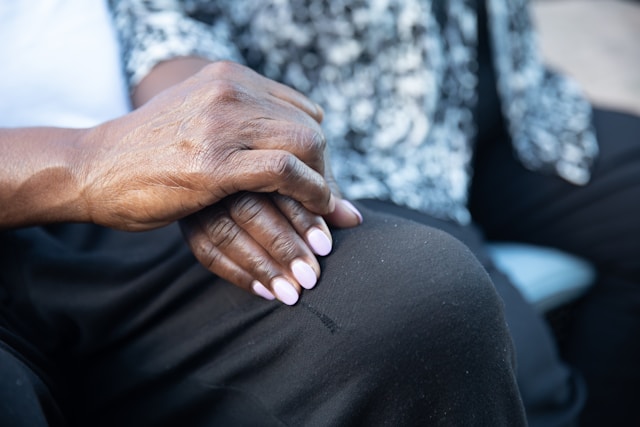
We owe much to caregivers.
Caregiving is a cornerstone of compassionate healthcare, and caregivers constitute an essential force, often operating behind the scenes, often unorganized as a group, but significantly impacting the well-being of those they look after.
As our society grows older, the numbers of (and demands on) caregivers will grow. It is happening now.
There are many facets to caregiving.
I hope to raise awareness of two resources and some of the challenges they face today amid the many that operate in this space.
Personally, I think these two are particularly important to our Pine Knoll Shores community and Carteret County (in no particular order).
With this recognition, however, I do not diminish the role others play.
Crystal Coast Hospice House, operated by 3HC
Carteret County is home to the SECU Crystal Coast Hospice House; 3HC is the operating partner for all inpatient care and daily operations of the house and in-home patient health care. Most patients are senior citizens with Medicare, but care extends to children, veterans and others with documented need.
In September, the Pine Knoll Shores Council on Aging invited Hospice House Director Kay Coole to speak about their services. This is part of our ongoing forum series designed to update our residents about key issues related to aging in place. As most citizens continue to believe the hospice house serves terminally ill individuals only, our goal was to broaden awareness that hospice is much more.
The hospice house is a non-profit agency serving a five-county region: Carteret, Craven, Onslow, Pamlico and Jones. The house has served over 2,100 families (mainly from Carteret County) in the 10 years it has been operating.
The hospice house maintains 10 beds:
- Six beds are dedicated to inpatient terminally ill individuals with space to accommodate their loved ones who wish to be by their side.
- Four beds are dedicated to residential respite stays on a limited basis for family caregivers. Unfortunately, there is a long waiting list for these four beds.
Admission to any aspect of hospice care begins with your doctor. It is the doctor’s diagnosis of an individual’s condition that determines which, if any, of the hospice resources fit their needs.
In addition to acute care, hospice personnel play a key role in in-home residential care, interacting with both the patient and their home caregivers.
To be eligible for hospice home care, the patient must have Medicare. Supplemental insurance policy benefits vary and often determine what, if any, equipment, medicine costs, therapies, and frequency of caregiver visits can be extended to the patient.
Benefits for veterans and children may be different from aging individuals. If the patient doesn’t have insurance, 3HC works with the family to secure funds through other sources. The amount and extent of coverage varies by case.
When a patient is approved for in-home hospice care, a team of specialists is assigned to that individual. This team may include a lead nurse, nurse assistant, chaplain and social worker.
Hospice caregivers assist and educate home care workers in pain management, wound care and diabetes treatments. Ultimately, the home caregiver is responsible for the patient’s care.
Hospice care is valuable and unique to the individual. I strongly encourage each of you to learn more about this resource. Call the corporate office of 3HC in Goldsboro at 800-260-4442 or 919-735-1387 to speak to an intake officer.
Caregiver support groups
A caregiver support group is a positive outlet providing caregivers a regular time for social interaction outside of the home.
The groups offer a safe place where any negative emotions about caregiving can be expressed and validated. Support groups also help caregivers maintain balance by doing something for themselves instead of always caring for their loved one.
Groups communicate to participants that they are not alone. Caregivers can gather ideas on how others deal with challenges and help newcomers with tips and advice.
In addition, many groups offer expert advice on a variety of caregiving topics.
That said, I found few groups within Carteret County at the time of writing. Some online listings were outdated or inactive. Always confirm before attending.
Questions to ask include:
- Do the meetings still take place?
- What type of group is it—condition-specific, bereavement, general caregiving?
- Is it in-person or virtual?
- What experience does the moderator have?
- Is there a fee?
Resources include:
- The Leon Mann Center lists a virtual group run from New Bern on Thursdays at 1 p.m. Contact January Brown at 252-638-3185 x3011 or [email protected].
- Hospice House offers bereavement groups at Carteret Healthcare. Call 252-808-6000 for details.
- Carteret Healthcare may have other groups. Contact Ms. C. Bishop at 252-499-8570.
- First Presbyterian Church in Morehead City runs a group on the fourth Thursday of the month. Contact Linda Langheld at 908-804-0915 or [email protected].
One of the most vital strategies for caregivers is to set realistic expectations for themselves. Recognizing personal limits is not weakness but self-awareness.
Each of us owes it to ourselves and our families to begin asking: Is this a challenge we can handle on our own, or is it something that we as a society should approach together?
Sources include: The New York Times (September 10, 2023), NC Department of Health and Human Services Division of Aging and Adult Services, and the NC Lifespan Respite Program.